

SEQRA I Did There?
What happens when process blocks progress—and how New York is responding

This week brought a rare moment of alignment in New York politics.
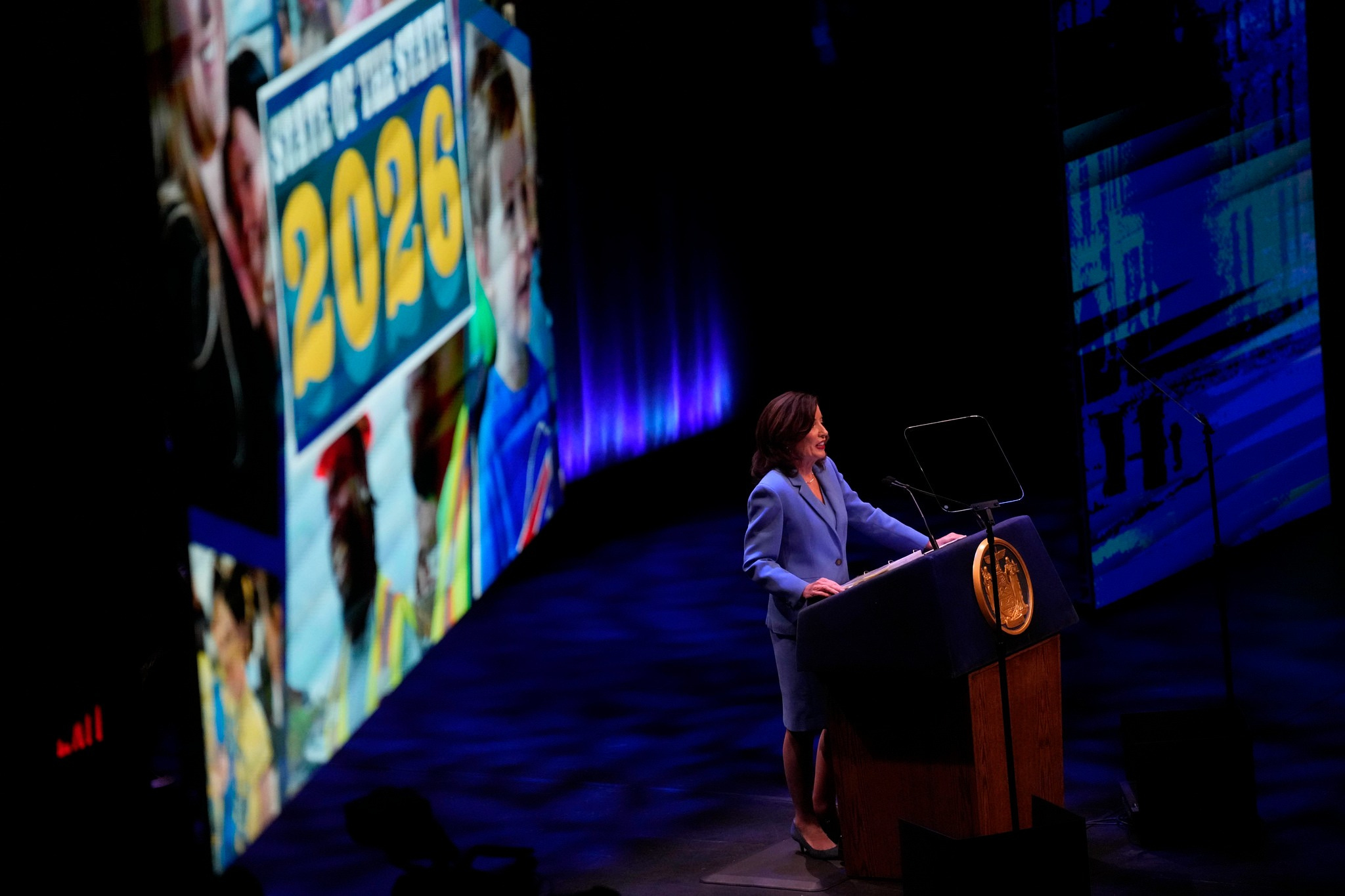
In her State of the State address, Governor Hochul set her sights on the State Environmental Quality Review Act. At City Hall, Mayor Mamdani declared war on small business red tape. And in the Council, Speaker Menin’s committee picks gave us a preview of how much of this agenda might actually survive contact with politics.
Here’s how the state is trying to fix the rules—and how the city is trying to make them work.
Albany Tries to Fix the Rules
SEQRA was created to prevent environmentally harmful projects from moving forward without scrutiny. But decades of lawsuits and resulting precedent have turned it into something else entirely: a process so broad and so slow that it routinely blocks the very projects New York needs to meet its environmental goals. From infill housing to transit to renewable energy infrastructure, thousands of inherently climate-friendly projects are sent through years of environmental review, often with no meaningful findings at the end.
Hochul’s “Let Them Build” proposal would begin to unwind that problem by exempting compliant infill housing from SEQRA review, cutting years of delay and hundreds of thousands of dollars in costs. The reform also fast-tracks clearly beneficial projects—parks, clean water systems, and child care centers—and caps environmental impact reviews at two years. In practice, this is a shift away from process for its own sake and toward a system that measures success by what gets built—and what gets protected.
We’re awaiting more details on SEQRA reform and other key parts of the Governor’s agenda, from a big bet on advanced nuclear to her landmark universal childcare investment, in her initial budget next week.
City Hall Tries to Make Them Work
Back in the city, the administration cheered on Hochul’s commitment to cut red tape through SEQRA reform—and cut some red tape of their own. Mayor Mamdani’s latest executive order launches a 90-day sprint to eliminate outdated small business regulations. The targets: overlapping permits, redundant inspections, byzantine sidewalk cafe rules, and licensing requirements that serve no public safety purpose. Ydanis Rodriguez, former Transportation chair, will lead the effort as Small Business Commissioner.
Meanwhile, Council Speaker Julie Menin’s committee assignments offer a mixed signal on whether this momentum will carry through the legislative branch. We’re encouraged to see Shaun Abreu chair the Committee on Transportation and Infrastructure, and Pierina Sanchez’s continued leadership on housing will be critical. On the other hand, the selection of NIMBY Council member Chris Marte to lead the Landmarks Committee will likely slow down the administration’s efforts to build housing on city-owned land.
Long Weekend Listening and Reading
Can’t get enough abundance content? Some recs for the long weekend:
Dig into Hochul’s State of the State proposals or watch her address
Tune into Ben Max in recent conversations with several of our coalition partners—Sara Lind of Open Plans and Ben Furnas of Transportation Alternatives, and Betsy Plum of Riders Alliance—about what it actually takes to deliver a 21st-century transit system and streetscape in New York
Read Stephen Smith in Vital City on how zoning, parking mandates, and permitting processes drive up New Yorkers’ grocery bills—and Collin Kinniburgh in New York Focus on how environmental regulations may stymie renewable energy projects rushing to meet federal subsidy deadlines
Awesome news on both counts!