

Governing Through the Storm
What the administration got right—and what still needs fixing—on our streets, sidewalks, and shelters

Our next happy hour is Tuesday, February 24 in Prospect Heights—RSVP here!
Hi folks! Long time reader, first time writer. I joined the Abundance New York team last October, after a decade in federal government: I was most recently with the CHIPS program, before that led housing, transportation, and resilience portfolios for two U.S. Senators, and before that worked as an analyst at the Federal Emergency Management Agency. I was born and raised in Brooklyn and I’m thrilled to be writing about New York in your Substack today.
The reviews are in—and it seems that Mayor Mamdani has weathered the storm. In the aftermath of 11+ inches of snow, most roads are clear and remote school was less of a debacle than in previous attempts. The Mayor deserves credit for rising to the moment. From the coverage, the passing grade seems to come down to two rules: 1) be ready—mobilize the Department of Sanitation, New York City Emergency Management, City shelters and warming facilities; 2) be visible—ideally through a mix of direct service and official governing (Mamdani was always going to clear this bar). There’s no winning the “snow day” decision.
Snow storms are the traditional test for New York City Mayors. The tradition goes at least as far back as Mayor John Lindsay’s “no good, very bad snow storm of 1969,” which was notable both for the tragic loss of 42 New Yorkers and because it came the same year as Lindsay’s reelection run, which he survived, barely, after losing his party’s nomination. Fast forward and Mayor Mike Bloomberg had his own “character-building moment” in 2010 when the storm found him on the beach in Bermuda.
Snow presents a test for a mayor’s management because it is visible—the streets are plowed, or they are not; the mayor is in the city and in control, or he’s on a beach. Unlike so much of governing, which is hard to see, the snow is there in its frigid, muddy glory. So while it is tough to get many eyeballs on the Mayor’s Management Report, the New York Post has easy work in mocking Mayor Mamdani’s shoveling.
Our expectations themselves deserve scrutiny.
To many, the frozen heart of the matter is whether or not the roads were plowed and salted. This is both understandable—ambulances, fire trucks, deliveries and more need to pass on the roads—and insufficient. We expect the City to clear the roads, but we leave the pedestrian experience, which far more New Yorkers live through, to a ticketing regime that is wholly insufficient. The imbalance reflects outdated ideas about infrastructure and civic responsibility that sees the roads as the responsibility of all and the sidewalk as a service owners owe the community.
It shouldn’t be this way. The City could take responsibility for clearing the sidewalks through a combination of automatic enforcement (Jack Frost’s red light cameras), hiring emergency shovelers, and ticketing to pay for it. A call to 311 to report unshoveled spaces shouldn’t just result in a ticket to an absentee landlord; it should end with a clear sidewalk.
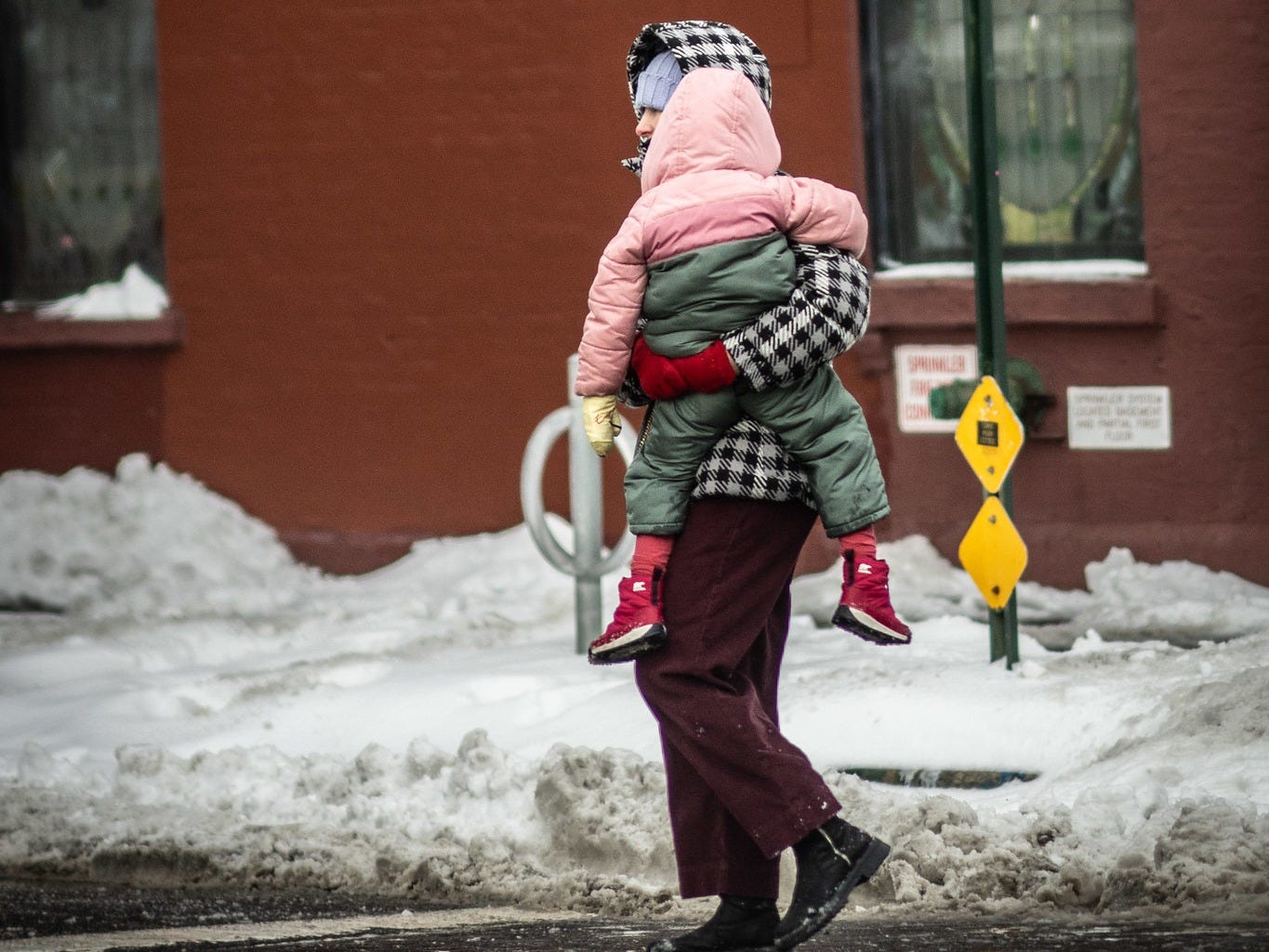
With this and every disaster, we must dwell on the grimmest and most serious issue—who died and why. As of writing, eight New Yorkers are reported to have died in the streets over the weekend. Most of them are believed to have been homeless. There are roughly 350,000 homeless New Yorkers, at least 200,000 who are doubled-up with friends and family, more than 100,000 who sleep in the shelter system, and the remainder who are believed to sleep unsheltered. Mayor Mamdani relaxed shelter policies for the storm and activated appropriate systems to keep this community safe, but our inability to get all of New York through a storm like this is a reminder that our ongoing housing crisis, specifically the lack of permanent supportive housing to support a housing-first approach to homelessness, is a day-to-day disaster.
And while it is hard to imagine on days like today, the city’s greatest threats are not the snow, ice, and wind chill. The heat kills more than 500 New Yorkers every year. Similarly, the ways to prevent these deaths are less visible, longer term interventions: tree coverage, cooling centers, support networks, and—yes—housing are all needed. As New Yorkers know by now, with the heat come the storms. Cloudbursts and the associated floods cover streets and regularly disable the subway systems. Water flooding our sidewalks, streets, and subways is just as paralyzing in the form of ice and snow, and yet how we manage it is very different—it’s slower, reliant on building resilience infrastructure that is caught up in the same red tape as housing and needed transportation projects. The governing required in these cases is less eye-catching, but no less critical.
The snow will melt, but our resilience challenges won’t. They deserve more than seasonal attention.
 |
|